TMS Therapy for Treatment-Resistant Depression
TMS (Transcranial Magnetic Stimulation) is a non-invasive treatment for severe depression approved by the FDA in 2008. Many insurances recognize the impact this treatment has had for thousands of patients, and hence, most offer coverage options for TMS.
TMS uses gentle, short pulses of magnetic fields painlessly to stimulate cells in the brain and help alleviate symptoms of depression. It does so by increasing activity and communication in the specific areas of the brain involved in mood regulation.
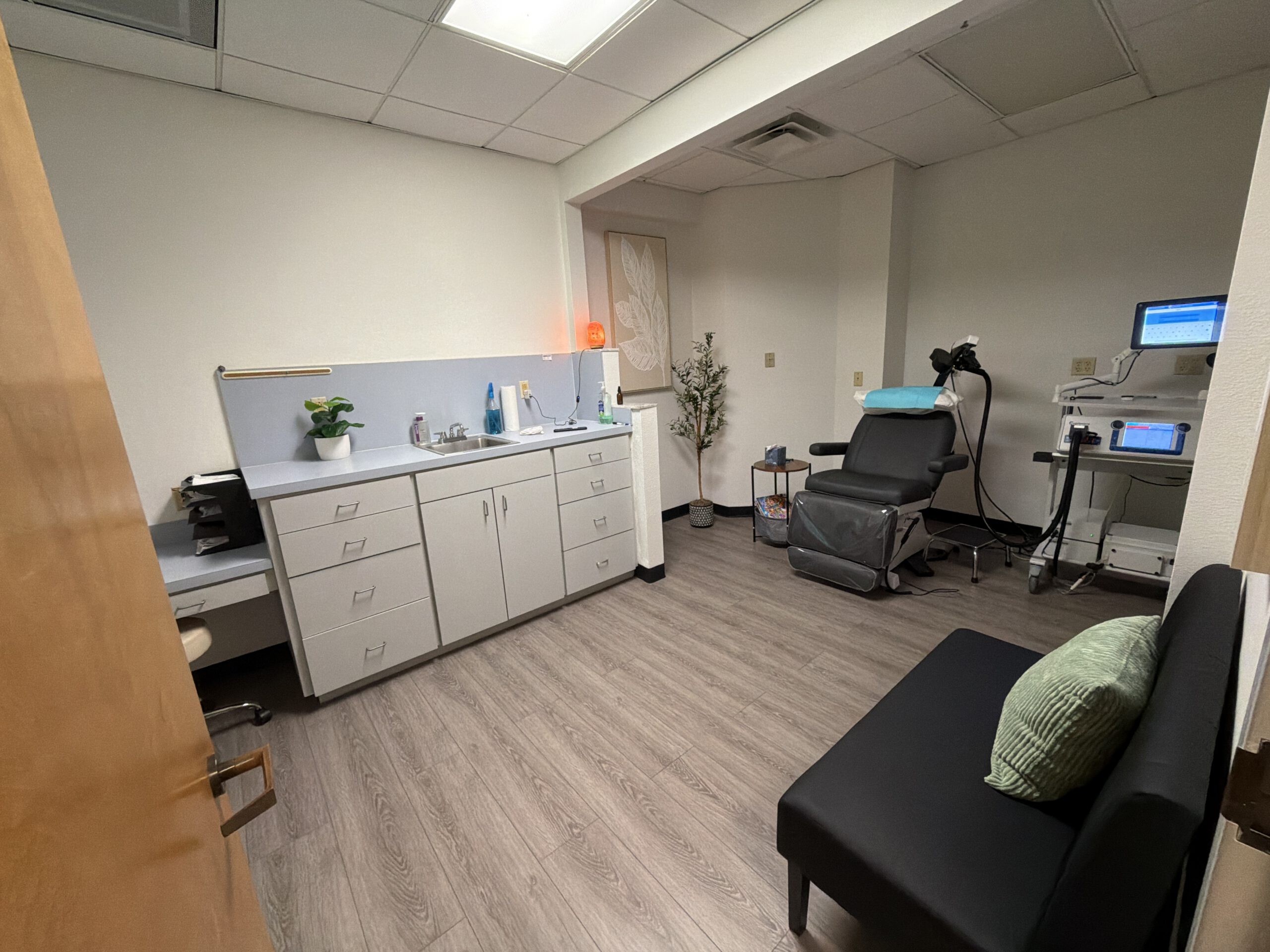
TMS Insurances Accepted
Aetna, Carelon (Beacon), Cigna, Humana, Medicare, many Medicare Advantage plans, Optum, Blue Cross Blue Shield, Florida Blue, and more.
Please inquire with our office to verify coverage and to see if you are a good candidate for TMS.
Frequently Asked Questions
Who can qualify for TMS treatment?+
Patients diagnosed with depression—especially those who have not improved with multiple medications—may be eligible for TMS therapy. An initial consultation helps confirm whether TMS is a good fit.
What insurances cover TMS?+
We currently accept Aetna, Carelon (Beacon), Cigna, Humana, Optum, and Blue Cross Blue Shield/Florida Blue. Medicare and many Medicare Advantage plans may also cover TMS. Please inquire to verify coverage and to see if you are a good candidate for TMS.
Does TMS actually work?+
Research shows TMS can be highly effective for depression, with many patients seeing meaningful improvement. Results vary from person to person, and some patients may achieve full remission after completing a treatment course.
Can TMS be combined with medication and/or therapy?+
Yes. TMS can be safely combined with medication and psychotherapy. Many patients continue their existing treatments during TMS to support the best possible outcome.
How soon will I notice improvements?+
Everyone responds differently. Some people notice changes in mood, focus, or energy within the first couple of weeks, while others take longer. Benefits often build gradually over the course of treatment, and your care team will monitor progress along the way.
What should I expect at my first TMS session?+
Your first appointment is called a “mapping” session. We determine the best coil placement and set the stimulation level tailored to you, while answering questions and making sure you’re comfortable.
Is TMS therapy uncomfortable?+
TMS isn’t considered painful, and side effects are typically minimal. The most common is mild scalp discomfort during treatment.